



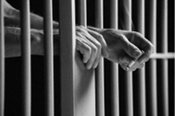
Now my head is hanging down
With these prison wall blues
The white mule (1) made me act a pop-eyed clown
Now I've got no time to lose
When they bring you through that gate
You wish you hadn't 'a done it but it's just too late
But you might as well laugh, good partner, when you fall
Now hollering won't get you from behind these walls
These prison wall blues
Keep rollin' 'cross my mind
I can't get a pardon
Looks like the governor wouldn't cut my time
I once was lost
But now I'm found
I'd have leaved this place running
But I'm scared of them flop-eared hounds (2)
These prison wall blues keep rollin' 'cross my mind
This is the first fence I ever saw
In my life that I can't climb
This fence will make a high yellow girl turn dark
It make a weak-eyed man go blind
When I leave these walls
I'll be running, dodging trees
See the bottom of my feet so many times
You'll think I'm on my knees
These prison wall blues keep rollin' 'cross my mind
With these prison wall blues
The white mule (1) made me act a pop-eyed clown
Now I've got no time to lose
When they bring you through that gate
You wish you hadn't 'a done it but it's just too late
But you might as well laugh, good partner, when you fall
Now hollering won't get you from behind these walls
These prison wall blues
Keep rollin' 'cross my mind
I can't get a pardon
Looks like the governor wouldn't cut my time
I once was lost
But now I'm found
I'd have leaved this place running
But I'm scared of them flop-eared hounds (2)
These prison wall blues keep rollin' 'cross my mind
This is the first fence I ever saw
In my life that I can't climb
This fence will make a high yellow girl turn dark
It make a weak-eyed man go blind
When I leave these walls
I'll be running, dodging trees
See the bottom of my feet so many times
You'll think I'm on my knees
These prison wall blues keep rollin' 'cross my mind
(1) white mule: noto anche come 'white lightning', in gergo è riferito a un forte liquore distillato illegalmente in casa, soprattutto negli stati del Sud e nel Midwest. Vedi anche 'moonshine'.
(2) allude ai temibili segugi che riuscivano a ritrovare le tracce dei prigionieri fuggiti.
inviata da Marcello Tagliabue - 12/12/2025 - 12:27
×
![]()

Le jug bands erano così chiamate per il fatto di avere nel loro organico un suonatore di jug: un recipiente di vetro o di terracotta – che poteva essere una bottiglia o una brocca – di varie fogge e dimensioni, che serviva da cassa di risonanza per i suoni che il musicista vi produceva soffiandoci dentro: si otteneva così un suono cupo e ronzante che fungeva da basso di accompagnamento che imitava il basso tuba – era infatti chiamato “the poor man’s tuba”. Si trattava di uno di quegli strumenti poveri come il washboard (ovverosia l'asse per lavare i panni, di legno o di metallo, sulla cui superficie ondulata venivano passati cucchiai e altri oggetti metallici creando un effetto ritmico efficacissimo – uno specialista del washboard era il batterista Baby Dodds), il diddley bo (una specie di chitarra rudimentale), il kazoo, l’armonica (o harp).
Le prime jug bands, originarie degli stati del Sud urbano, erano composte da musicisti afro-americani del vaudeville e dei medicine shows. In particolare caratterizzarono la scena musicale di Memphis tra gli anni Venti e Trenta.
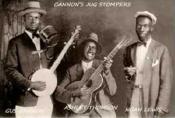
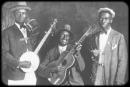
"Led by Gus Cannon on banjo, the Jug Stompers of Memphis were also equipped with a guitar, harmonica, and, of course, a jug. They made lively, upbeat country-blues numbers entertaining people on the street. In “Prison Wall Blues” there’s a somewhat more lighthearted approach to going to prison, even detailing an escape and one line that says “you might as well laugh”. Still though,”When they bring you through that gate / You wish you hadn’t done it, but it’s just too late.” By far the most upbeat number on this list.
(From: "Ball And Chain Blues: 10 Prison Songs From Document Catalogue"
Gus Cannon (jug & banjo), Hosea Woods (banjo & vocal), Noah Lewis (harmonica), 1928