


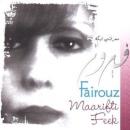
أنا مش كافر بس الجوع كافر
أنا مش كافر بس المرض كافر
أنا مش كافر بس الفقر كافر و الذل كافر
أنا مش كافر لكن شو بعملك
أذا اجتمعوا فيي كل الإشيا الكافرين
أنا مش كافر…
يللي بيصلي الأحد و يللي بيصلي الجمعة
وقاعد يفلح فينا علطول الجمعة
هو يللي دين قال و أنا يللي كافر عال
راجعوا الكتب السماوية راجعوا كلام القادر
أنا مش كافر…
أنا مش كافر بس البلد كافر
أنا مقهور ببيتي و مش قادر هاجر
و عم تاكل اللقمة بتمي و أكلك قدامك يا عمي
و اذا بكفر بتقللي كافر
معمم عالدول الغربية و مبلغ كل المخافر
أنا مش كافر هيدا انت الكافر
أنا مش كافر مادام انت الكافر
أما مش كافر قلنا مين الكافر
و عرفوا مين الكافر
أنا مش كافر متل ما عم قللك
عم بتحطها فيي كونك شيخ الكافرين
و أمين
أنا مش كافر بس المرض كافر
أنا مش كافر بس الفقر كافر و الذل كافر
أنا مش كافر لكن شو بعملك
أذا اجتمعوا فيي كل الإشيا الكافرين
أنا مش كافر…
يللي بيصلي الأحد و يللي بيصلي الجمعة
وقاعد يفلح فينا علطول الجمعة
هو يللي دين قال و أنا يللي كافر عال
راجعوا الكتب السماوية راجعوا كلام القادر
أنا مش كافر…
أنا مش كافر بس البلد كافر
أنا مقهور ببيتي و مش قادر هاجر
و عم تاكل اللقمة بتمي و أكلك قدامك يا عمي
و اذا بكفر بتقللي كافر
معمم عالدول الغربية و مبلغ كل المخافر
أنا مش كافر هيدا انت الكافر
أنا مش كافر مادام انت الكافر
أما مش كافر قلنا مين الكافر
و عرفوا مين الكافر
أنا مش كافر متل ما عم قللك
عم بتحطها فيي كونك شيخ الكافرين
و أمين
Contributed by daniela -k.d.- - 2009/5/12 - 18:08
Language: English
Versione inglese da arabicmusictranslation.com
I'M NOT A HEATHEN
I'm not a heathen, but hunger is heathen
I'm not a heathen, but disease is heathen
I'm not a heathen, but poverty is heathen
And shame is heathen
I'm not a heathen, but what would it do to you
If all things heathen combined within me
I'm not a heathen
Those who pray on Sunday
And those who pray on Friday
Keep "plowing us" throughout the week
Just imagine he's the one who said he's religious and I'm the heathen
Take another look at the holy books
Take another look at the word of God
I'm not a heathen
I'm not a heathen, but the country is heathen
I'm oppressed in my home and unable to emigrate
You're eating my food right out my mouth while your food is right in front of you man
And if I'm ungrateful you say I'm heathen
I'm announcing to all the Western countries and notifying all police stations
I'm not a heathen
I'm not a heathen, you're the heathen
I'm not a heathen, so long as you're the heathen
I'm not a heathen, we've said who's the heathen
And they know who's the heathen
I'm not a heathen, just as I'm telling you
You're putting it on me, your being the Sheikh of the heathens
Amen
I'm not a heathen, but hunger is heathen
I'm not a heathen, but disease is heathen
I'm not a heathen, but poverty is heathen
And shame is heathen
I'm not a heathen, but what would it do to you
If all things heathen combined within me
I'm not a heathen
Those who pray on Sunday
And those who pray on Friday
Keep "plowing us" throughout the week
Just imagine he's the one who said he's religious and I'm the heathen
Take another look at the holy books
Take another look at the word of God
I'm not a heathen
I'm not a heathen, but the country is heathen
I'm oppressed in my home and unable to emigrate
You're eating my food right out my mouth while your food is right in front of you man
And if I'm ungrateful you say I'm heathen
I'm announcing to all the Western countries and notifying all police stations
I'm not a heathen
I'm not a heathen, you're the heathen
I'm not a heathen, so long as you're the heathen
I'm not a heathen, we've said who's the heathen
And they know who's the heathen
I'm not a heathen, just as I'm telling you
You're putting it on me, your being the Sheikh of the heathens
Amen
Contributed by daniela -k.d.- - 2009/5/12 - 18:11
Ziad Rahbani, una voce critica per la storia del Libano - il manifesto
Pasquale Porciello 27 luglio 2025
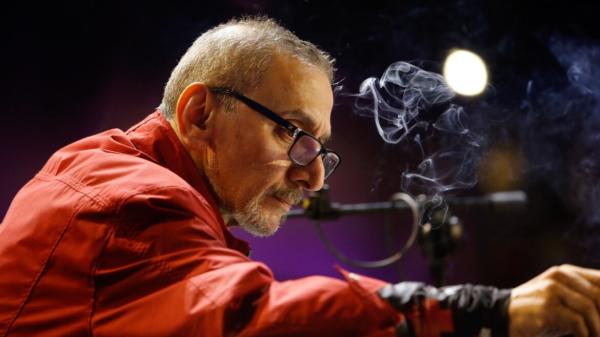
È scritto nero su bianco che «il cuore del grande artista e creatore Ziad Rahbani ha smesso di battere». Il bollettino medico diramato ieri mattina dall’ospedale in cui il maestro ha passato le ultime ore è categorico. Ma i medici non hanno sempre ragione e il cuore di Ziad Rahbani non si è fermato e non si fermerà.
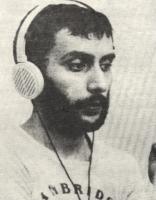
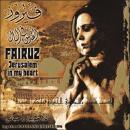
Pianista, compositore, cantante, drammaturgo, attore, regista, Ziad Rahbani diventa un archetipo già durante la sua vita, proprio come la madre. Nato il primo gennaio del 1954 dal compositore Assi Rahbani e dalla cantante Nouhad Haddad, conosciuta nel mondo intero come Fairuz, l’usignolo d’oriente, a 17 anni compone la musica per un testo scritto dallo zio Mansour Rahbani e cantato sua madre, Sa’luni Nass (La gente mi ha chiesto), che diventa da subito un brano iconico e che gli dà un’immediata visibilità.
LA SUA È UNA PERSONALITÀ complessa, multiforme: è ironico, pungente, ma anche schivo e solitario. «Non so se Ziad Rahbani abbia influenzato lo humor libanese o ne sia un risultato. Probabilmente entrambe le cose. Quello che ancora oggi mi stupisce è che anche chi non ha assistito personalmente ai suoi spettacoli, li conosce in qualche modo perché lui è diventato parte dell’immaginario collettivo. Si è sempre attorniato di grandissimi artisti, come Joseph Saar o la famosissima Suraya, una donna libera, una personalità affascinante, qualità difficili da esprimere in un contesto come quello di quegli anni. La sua arte ha permeato la società libanese, molto più che il suo messaggio. Se da un lato tutti conoscono Ziad Rahbani e tutti lo ammirano, poi nei fatti la sua visione di uguaglianza e giustizia non ha avuto la stessa fortuna della sua opera». Caroline Hatem, regista, attrice, ballerina, coreografa, non nasconde la sua fascinazione per quello che non esita a definire un mito. Come pure mitologico definisce il sodalizio artistico con Fairuz.
Ziad Rahbani, di famiglia cristiana, ma ateo, frequentatore degli ambienti di sinistra, sempre definitosi comunista, ha sempre avuto posizioni chiare, una voce dissidente e critica in un paese che è stato ed è basato su una divisione del potere di tipo comunitario/confessionale che conta il più alto numero di campi profughi palestinesi. Una crisi, questa, che, assieme a molte altre, porterà il paese in una guerra civile che durerà 15 anni (1975-90) e mai del tutto risolta. Ziad Rahbani è un artista e un intellettuale che prende posizione, ma non nel senso classico.
(continua...)
Pasquale Porciello 27 luglio 2025
È scritto nero su bianco che «il cuore del grande artista e creatore Ziad Rahbani ha smesso di battere». Il bollettino medico diramato ieri mattina dall’ospedale in cui il maestro ha passato le ultime ore è categorico. Ma i medici non hanno sempre ragione e il cuore di Ziad Rahbani non si è fermato e non si fermerà.
Pianista, compositore, cantante, drammaturgo, attore, regista, Ziad Rahbani diventa un archetipo già durante la sua vita, proprio come la madre. Nato il primo gennaio del 1954 dal compositore Assi Rahbani e dalla cantante Nouhad Haddad, conosciuta nel mondo intero come Fairuz, l’usignolo d’oriente, a 17 anni compone la musica per un testo scritto dallo zio Mansour Rahbani e cantato sua madre, Sa’luni Nass (La gente mi ha chiesto), che diventa da subito un brano iconico e che gli dà un’immediata visibilità.
LA SUA È UNA PERSONALITÀ complessa, multiforme: è ironico, pungente, ma anche schivo e solitario. «Non so se Ziad Rahbani abbia influenzato lo humor libanese o ne sia un risultato. Probabilmente entrambe le cose. Quello che ancora oggi mi stupisce è che anche chi non ha assistito personalmente ai suoi spettacoli, li conosce in qualche modo perché lui è diventato parte dell’immaginario collettivo. Si è sempre attorniato di grandissimi artisti, come Joseph Saar o la famosissima Suraya, una donna libera, una personalità affascinante, qualità difficili da esprimere in un contesto come quello di quegli anni. La sua arte ha permeato la società libanese, molto più che il suo messaggio. Se da un lato tutti conoscono Ziad Rahbani e tutti lo ammirano, poi nei fatti la sua visione di uguaglianza e giustizia non ha avuto la stessa fortuna della sua opera». Caroline Hatem, regista, attrice, ballerina, coreografa, non nasconde la sua fascinazione per quello che non esita a definire un mito. Come pure mitologico definisce il sodalizio artistico con Fairuz.
Ziad Rahbani, di famiglia cristiana, ma ateo, frequentatore degli ambienti di sinistra, sempre definitosi comunista, ha sempre avuto posizioni chiare, una voce dissidente e critica in un paese che è stato ed è basato su una divisione del potere di tipo comunitario/confessionale che conta il più alto numero di campi profughi palestinesi. Una crisi, questa, che, assieme a molte altre, porterà il paese in una guerra civile che durerà 15 anni (1975-90) e mai del tutto risolta. Ziad Rahbani è un artista e un intellettuale che prende posizione, ma non nel senso classico.
(continua...)
Per Radio Sankara la mia intervista a Pasquale Porciello, corrispondente da Beirut de Il Manifesto sulla situazione della Palestina vista dal Libano con un excursus sulla musica libanese.
Lorenzo Masetti - 2025/9/4 - 12:40
×
![]()
Note for non-Italian users: Sorry, though the interface of this website is translated into English, most commentaries and biographies are in Italian and/or in other languages like French, German, Spanish, Russian etc.

From arabicmusictranslation.com