




אֵלִי, אֵלִי [1]
שֶׁלֹּא יִגָּמֵר לְעוֹלָם
הַחוֹל וְהַיָּם,
רִשְׁרוּשׁ שֶׁל הַמַּיִם,
בְּרַק הַשָּׁמַיִם,
תְּפִלַּת הָאָדָם.
הַחוֹל וְהַיָּם,
רִשְׁרוּשׁ שֶׁל הַמַּיִם,
בְּרַק הַשָּׁמַיִם,
תְּפִלַּת הָאָדָם.
אֵלִי, אֵלִי
שֶׁלֹּא יִגָּמֵר לְעוֹלָם
הַחוֹל וְהַיָּם,
רִשְׁרוּשׁ שֶׁל הַמַּיִם,
בְּרַק הַשָּׁמַיִם,
תְּפִלַּת הָאָדָם.
הַחוֹל וְהַיָּם,
רִשְׁרוּשׁ שֶׁל הַמַּיִם,
בְּרַק הַשָּׁמַיִם,
תְּפִלַּת הָאָדָם.
[1] elí, elí
sheló yigamér le‘olám,
hakhól vehayám,
rishrúsh shel hamáyim,
berák hashamáyim
tfilát ha’adám
hakhól vehayám,
rishrúsh shel hamáyim,
berák hashamáyim
tfilát ha’adám
elí, elí
sheló yigamér le‘olám,
hakhól vehayám,
rishrúsh shel hamáyim,
berák hashamáyim
tfilát ha’adám
hakhól vehayám,
rishrúsh shel hamáyim,
berák hashamáyim
tfilát ha’adám.
sheló yigamér le‘olám,
hakhól vehayám,
rishrúsh shel hamáyim,
berák hashamáyim
tfilát ha’adám
hakhól vehayám,
rishrúsh shel hamáyim,
berák hashamáyim
tfilát ha’adám
elí, elí
sheló yigamér le‘olám,
hakhól vehayám,
rishrúsh shel hamáyim,
berák hashamáyim
tfilát ha’adám
hakhól vehayám,
rishrúsh shel hamáyim,
berák hashamáyim
tfilát ha’adám.
envoyé par Riccardo Venturi / CCG-AWS Staff - 29/12/2025 - 16:12
Versione italiana / Italian version / Version italienne / Italiankielinen versio:
Riccardo Venturi, 29-12-2025 17:00
Interpretata da Regina Spektor
Riccardo Venturi, 29-12-2025 17:00
Interpretata da Regina Spektor
Una camminata a Cesarea (Dio mio, Dio mio)
Dio mio, Dio mio,
Queste cose non cessino mai:
La sabbia ed il mare,
Il mormorio delle acque,
Lo sfolgorio del cielo,
La preghiera dell’Uomo.
La sabbia ed il mare,
Il mormorio delle acque,
Lo sfolgorio del cielo,
La preghiera dell’Uomo.
Dio mio, Dio mio,
Queste cose non cessino mai:
La sabbia ed il mare,
Il mormorio delle acque,
Lo sfolgorio del cielo,
La preghiera dell’Uomo.
La sabbia ed il mare,
Il mormorio delle acque,
Lo sfolgorio del cielo,
La preghiera dell’Uomo.
Dio mio, Dio mio,
Queste cose non cessino mai:
La sabbia ed il mare,
Il mormorio delle acque,
Lo sfolgorio del cielo,
La preghiera dell’Uomo.
La sabbia ed il mare,
Il mormorio delle acque,
Lo sfolgorio del cielo,
La preghiera dell’Uomo.
Dio mio, Dio mio,
Queste cose non cessino mai:
La sabbia ed il mare,
Il mormorio delle acque,
Lo sfolgorio del cielo,
La preghiera dell’Uomo.
La sabbia ed il mare,
Il mormorio delle acque,
Lo sfolgorio del cielo,
La preghiera dell’Uomo.
English translation / Traduzione inglese / Traduction anglaise / Englanninkielinen käännös:
--> en.wikipedia

--> en.wikipedia
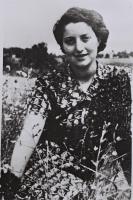
Hannah Szenes, 1940.
A Walk to Caesarea (My God, My God)
My God, my God,
May it never end –
The sand and the sea,
The rustle of the water,
The lightning of the sky,
The prayer of Man.
The sand and the sea,
The rustle of the water,
The lightning of the sky,
The prayer of Man.
My God, my God,
May it never end –
The sand and the sea,
The rustle of the water,
The lightning of the sky,
The prayer of Man.
The sand and the sea,
The rustle of the water,
The lightning of the sky,
The prayer of Man.
My God, my God,
May it never end –
The sand and the sea,
The rustle of the water,
The lightning of the sky,
The prayer of Man.
The sand and the sea,
The rustle of the water,
The lightning of the sky,
The prayer of Man.
My God, my God,
May it never end –
The sand and the sea,
The rustle of the water,
The lightning of the sky,
The prayer of Man.
The sand and the sea,
The rustle of the water,
The lightning of the sky,
The prayer of Man.
envoyé par Riccardo Venturi - 29/12/2025 - 18:12
Hungarian translation / Traduzione ungherese / Traduction hongroise / Unkarinkielinen käännös:
--> Neokohn

--> Neokohn
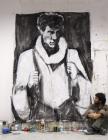
Budapest. Szenes Hanna emlékműve.
Séta Cézáreába
Istenem, Istenem,
Hogy soha ne érjen véget,
A homok és a tenger,
A víz susogása,
Az égi villám,
Az ember imája.
A homok és a tenger,
A víz susogása,
Az égi villám,
Az ember imája.
Istenem, Istenem,
Hogy soha ne érjen véget,
A homok és a tenger,
A víz susogása,
Az égi villám,
Az ember imája.
A homok és a tenger,
A víz susogása,
Az égi villám,
Az ember imája.
Istenem, Istenem,
Hogy soha ne érjen véget,
A homok és a tenger,
A víz susogása,
Az égi villám,
Az ember imája.
A homok és a tenger,
A víz susogása,
Az égi villám,
Az ember imája.
Istenem, Istenem,
Hogy soha ne érjen véget,
A homok és a tenger,
A víz susogása,
Az égi villám,
Az ember imája.
A homok és a tenger,
A víz susogása,
Az égi villám,
Az ember imája.
envoyé par Riccardo Venturi - 29/12/2025 - 19:04
Türkçe ceviri / Turkish translation / Traduzione turca / Traduction turque / Turkinkielinen käännös:
--> tr.wikipedia
Performed by Ofra Haza
--> tr.wikipedia
Performed by Ofra Haza
"Kayserya'ya Yürüyüş" (İbranice: הליכה לקיסריה, Halika LeKaysarya; İngilizce: A Walk to Caesarea), aynı zamanda şarkı versiyonundaki "Eli, Eli" (İbranice: אֵלִי, אֵלִי, "Tanrım, Tanrım") açılış sözcükleri ile de bilinen, 1942'de Macar Yahudisi ve İkinci Dünya Savaşı direnişçisi Hanna Senesh tarafından yazılan İbranice bir şiirdir. İsrailli besteci David Zehavi tarafından 1945'te bestelenmiştir. Senesh şiiri, antik liman kenti Kayserya'ya yakın bir mesafede bulunan kibbutz Sdot Yam'da yaşarken yazdı. Şarkı İsrail'in resmi olmayan marşlarından biri olarak kabul edilir ve İsrail'deki Yom HaShoah'ta (Holokost Anma Günü) en çok çalınan şarkıdır.
Kayserya'ya Yürüyüş (Tanrım, Tanrım)
Tanrım, Tanrım,
Hiç bitmesin
Kum ve deniz,
Suyun hışırtısı,
Gökyüzünün parıltısı,
Insanın duası.
Kum ve deniz,
Suyun hışırtısı,
Gökyüzünün parıltısı,
Insanın duası.
Tanrım, Tanrım,
Hiç bitmesin
Kum ve deniz,
Suyun hışırtısı,
Gökyüzünün parıltısı,
Insanın duası.
Kum ve deniz,
Suyun hışırtısı,
Gökyüzünün parıltısı,
Insanın duası.
Tanrım, Tanrım,
Hiç bitmesin
Kum ve deniz,
Suyun hışırtısı,
Gökyüzünün parıltısı,
Insanın duası.
Kum ve deniz,
Suyun hışırtısı,
Gökyüzünün parıltısı,
Insanın duası.
Tanrım, Tanrım,
Hiç bitmesin
Kum ve deniz,
Suyun hışırtısı,
Gökyüzünün parıltısı,
Insanın duası.
Kum ve deniz,
Suyun hışırtısı,
Gökyüzünün parıltısı,
Insanın duası.
envoyé par Riccardo Venturi - 29/12/2025 - 18:24
×
![]()

[1942]
Lyrics / Testo / Paroles / Sanat: Hannah Szenes
Music / Musica / Musique / Sävel: David Zehavi [1945]
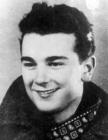
Hannah Szenes ha tanti nomi. Quello ungherese, Anikó Szenes, perché era ungherese di nascita, nata a Budapest il 17 luglio 1921; quello ebraizzato di Hannah Szenes, con il quale è più nota, e trascritto in lingua ebraica comeחנה סנש (Hanah Senesh); quello anglicizzato di Hannah Senesh, quello francesizzato di Channa Senech… fu una giovanissima poetessa, poi emigrata nel “Mandato Britannico di Palestina” nel 1941. Entrò dapprima nell’Haganah, arruolandosi poi nell’Esercito Britannico ed offrendosi volontaria per una pericolosissima missione in Jugoslavia che avrebbe dovuto allacciare i rapporti con i partigiani resistenti jugoslavi per aiutare gli ebrei ungheresi destinati ai campi di sterminio. Addestrata in Egitto durante tutto il 1943, nel 1944 fu paracadutata, assieme ad altri 33 volontari, in territorio nemico. Dopo il lancio, Hannah Szenes rimase per tre mesi coi partigiani di Tito fin quando, nel tentativo di raggiungere Budapest oltrepassando la frontiera con l’Ungheria, fu catturata, il 7 giugno, dalla polizia nazista. Nonostante le minacce e le torture cui fu sottoposta, non collaborò mai né accettò di rivelare alcuna informazione. Rifiutò di chiedere clemenza al processo che si tenne nell'ottobre del 1944, venendo quindi condannata a morte per fucilazione. La condanna fu eseguita il 7 novembre 1944; e fu così che fu messa a morte nella città dov’era nata. Aveva poco più di 23 anni. Hannah non volle essere bendata per guardare in faccia il plotone di esecuzione. I suoi resti furono portati in Israele nel 1950 e posti nel cimitero del Monte Herzl per poi essere traslati nel novembre 2007 nel cimitero di Sdot Yam.
Hannah scriveva le sue poesie prevalentemente in ebraico, pur essendo di madrelingua ungherese. Nel 1942, risiedeva nel kibbutz di Sdot Yam (dove si trova adesso la sua tomba), a breve distanza dalla costa mediterranea e dall’antica città portuale romana di Cesarea (Kesarya in ebraico). La poesia le fu ispirata proprio da una camminata, o passeggiata, verso la costa di Cesarea. Nel 1945, un anno dopo la fucilazione a Budapest, la poesia fu messa in musica dal musicista David Zehavi, divenendo in seguito uno degli inni ufficiosi (o “semi-ufficiali”) dello Stato di Israele. Assai comunemente e tipicamente, è suonata e cantata specialmente in occasione dello Yom HaShoah, la “Giornata della Shoah” del 27 Nisan di ogni anno ebraico (quindi, cade in aprile o in maggio). E’ andata a finire anche nella colonna sonora del famosissimo film Schindler’s List di Steven Spielberg. Da notizie provenienti dal Webmaster, Lorenzo Masetti, pare che questa canzone ci sia stata suggerita nientepopodimeno che da “Chat GPT” in persona. Hannah Szenes teneva in ebraico anche il suo diario; poco dopo essere stata arrestata, e ben conscia del destino che la attendeva, vi scrisse: ”Ho giocato la mia partita, ho gettato i dadi e ho perso.” [RV 29-12-2025]
Performed by / Interpretata da Netanela [נתנאלה, 1975].
It is in this version that the song is part of the soundtrack of the motion picture "Schindler's List".
E' in questa versione che fa parte della colonna sonora di "Schindler's List"