


Niin musta, niin musta on ikuinen yö,
kun kello lyö kaksitoista,
Niin musta, niin musta on ikuinen yö,
kun kello lyö kaksitoista.
Vain torkkuen toverit istuskelee,
hikikarpalot kulmillansa,
Vain torkkuen toverit istuskelee,
hikikarpalot kulmillansa.
Niin musta, niin musta on manalan sy'n,
se josta mä leipäni haen,
Niin musta, niin musta on manalan sy'n,
se josta mä leipäni haen.
Kapitaali mun orjakseen ostanut on,
käsivarteni ja verenikin,
Kapitaali mun orjakseen ostanut on,
käsivarteni ja verenikin.
Oi armaani, armaani, kalpea oi,
mi syömmeni sykkimään sait,
Oi armaani, armaani, kalpea oi,
mi syömmeni sykkimään sait.
Nyt valkeella vuoteellas lepäjät kai,
ikivuori mut peittävi vain,
Nyt valkeella vuoteellas lepäjät kai,
ikivuori mut peittävi vain.
[Vapaus, vapaus, vapaus suur
Sun nimies on jumalainen!
Jos verelläin sinut vain ostaa voisiin
Ilomielin sen uhraisin] [1]
Oi luoja, oi luoja, sua kiroa en,
en kiroa kohtaloain,
Oi luoja, oi luoja, sua kiroa en,
en kiroa kohtaloain.
Minä kiroan valtoja tyrannien,
vapauttain ikävöiden,
Minä kiroan valtoja tyrannien,
vapauttain ikävöiden.
Minä ikävöin vapautta ihmiskunnan,
proletaarien sorrettujen,
Minä ikävöin vapautta ihmiskunnan,
proletaarien sorrettujen.
Minä ikävöin taistohon tuimimpahan,
veriruusuja katsomahan,
Minä ikävöin taistohon tuimimpahan,
veriruusuja katsomahan.
kun kello lyö kaksitoista,
Niin musta, niin musta on ikuinen yö,
kun kello lyö kaksitoista.
Vain torkkuen toverit istuskelee,
hikikarpalot kulmillansa,
Vain torkkuen toverit istuskelee,
hikikarpalot kulmillansa.
Niin musta, niin musta on manalan sy'n,
se josta mä leipäni haen,
Niin musta, niin musta on manalan sy'n,
se josta mä leipäni haen.
Kapitaali mun orjakseen ostanut on,
käsivarteni ja verenikin,
Kapitaali mun orjakseen ostanut on,
käsivarteni ja verenikin.
Oi armaani, armaani, kalpea oi,
mi syömmeni sykkimään sait,
Oi armaani, armaani, kalpea oi,
mi syömmeni sykkimään sait.
Nyt valkeella vuoteellas lepäjät kai,
ikivuori mut peittävi vain,
Nyt valkeella vuoteellas lepäjät kai,
ikivuori mut peittävi vain.
[Vapaus, vapaus, vapaus suur
Sun nimies on jumalainen!
Jos verelläin sinut vain ostaa voisiin
Ilomielin sen uhraisin] [1]
Oi luoja, oi luoja, sua kiroa en,
en kiroa kohtaloain,
Oi luoja, oi luoja, sua kiroa en,
en kiroa kohtaloain.
Minä kiroan valtoja tyrannien,
vapauttain ikävöiden,
Minä kiroan valtoja tyrannien,
vapauttain ikävöiden.
Minä ikävöin vapautta ihmiskunnan,
proletaarien sorrettujen,
Minä ikävöin vapautta ihmiskunnan,
proletaarien sorrettujen.
Minä ikävöin taistohon tuimimpahan,
veriruusuja katsomahan,
Minä ikävöin taistohon tuimimpahan,
veriruusuja katsomahan.
[1] Tätä säkeistöä ei yleensä koskaan lauleta
Contributed by Riccardo Venturi - 2025/6/27 - 00:04
Language: Italian
Traduzione italiana / Italian translation / Traduction italienne / Italiankielinen käännös:
Rika Ventturinen, 27-6-2025 00:38
Laulaa Sibelius Folk Big Band
Performed by Sibelius Folk Big Band
Interpretata dalla Sibelius Folk Big Band
Rika Ventturinen, 27-6-2025 00:38
Laulaa Sibelius Folk Big Band
Performed by Sibelius Folk Big Band
Interpretata dalla Sibelius Folk Big Band
Canzone del minatore
Com’è nera, nera la notte eterna,
Quando l'orologio batte le dodici,
Com’è nera, nera la notte eterna
Quando l'orologio batte le dodici.
I miei compagni si assopiscono
E il sudore cola loro dalle palpebre,
I miei compagni si assopiscono
E il sudore cola loro dalle palpebre.
Com’è nero, nero il cuore degli inferi
Dove mi guadagno il pane,
Com’è nero, nero il cuore degli inferi
Dove mi guadagno il pane.
Il Capitale mi ha comprato per esser suo schiavo,
Mi ha comprato le braccia e persino il sangue,
Il Capitale mi ha comprato per esser suo schiavo,
Mi ha comprato le braccia e persino il sangue.
Mia amata, mia amata che sei così pallida,
Mi hai fatto palpitare il cuore,
Mia amata, mia amata che sei così pallida,
Mi hai fatto palpitare il cuore.
Ora sarai nel tuo letto bianco
Mentre un’antica montagna mi ricopre,
Ora sarai nel tuo letto bianco
Mentre un’antica montagna mi ricopre.
[Libertà, libertà, grande libertà
Il tuo nome è divino!
Se solo potessi comprarti con il sangue
Lo sacrificherei volentieri] [1]
Signore, Signore, io non ti maledico
E non maledico il mio destino,
Signore, Signore, io non ti maledico
E non maledico il mio destino.
Maledico il potere dei tiranni,
E anelo alla libertà,
Maledico il potere dei tiranni
E anelo alla libertà.
Anelo alla libertà dell’umanità
E dei proletari oppressi,
Anelo alla libertà dell’umanità
E dei proletari oppressi.
Voglio andare alla lotta più dura
Per vedere rose di sangue,
Voglio andare alla lotta più dura
Per vedere rose di sangue.
Com’è nera, nera la notte eterna,
Quando l'orologio batte le dodici,
Com’è nera, nera la notte eterna
Quando l'orologio batte le dodici.
I miei compagni si assopiscono
E il sudore cola loro dalle palpebre,
I miei compagni si assopiscono
E il sudore cola loro dalle palpebre.
Com’è nero, nero il cuore degli inferi
Dove mi guadagno il pane,
Com’è nero, nero il cuore degli inferi
Dove mi guadagno il pane.
Il Capitale mi ha comprato per esser suo schiavo,
Mi ha comprato le braccia e persino il sangue,
Il Capitale mi ha comprato per esser suo schiavo,
Mi ha comprato le braccia e persino il sangue.
Mia amata, mia amata che sei così pallida,
Mi hai fatto palpitare il cuore,
Mia amata, mia amata che sei così pallida,
Mi hai fatto palpitare il cuore.
Ora sarai nel tuo letto bianco
Mentre un’antica montagna mi ricopre,
Ora sarai nel tuo letto bianco
Mentre un’antica montagna mi ricopre.
[Libertà, libertà, grande libertà
Il tuo nome è divino!
Se solo potessi comprarti con il sangue
Lo sacrificherei volentieri] [1]
Signore, Signore, io non ti maledico
E non maledico il mio destino,
Signore, Signore, io non ti maledico
E non maledico il mio destino.
Maledico il potere dei tiranni,
E anelo alla libertà,
Maledico il potere dei tiranni
E anelo alla libertà.
Anelo alla libertà dell’umanità
E dei proletari oppressi,
Anelo alla libertà dell’umanità
E dei proletari oppressi.
Voglio andare alla lotta più dura
Per vedere rose di sangue,
Voglio andare alla lotta più dura
Per vedere rose di sangue.
[1] Questa strofa non viene normalmente mai cantata.
Language: English
English version / Versione inglese / Version anglaise / Englanninkielinen versio:
Rika Ventturinen, 27-6-2025 01:55
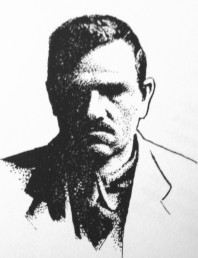
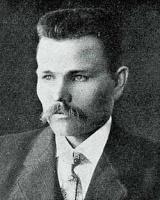
Santeri (Aleksanteri) Mäkelä was born in Vimpeli, in the region of South Ostrobothnia, in 1870. Coming from a peasant family, he emigrated to the United States in 1899, where he went to work in the mines like many of his fellow emigrants; and this song, which uses a traditional melody and reflects the very harsh living and working conditions of the miners, belongs to that period. Santeri Mäkelä returned to Finland in 1907; his song was however published in Työväen Laulukirja (“Workers’ Songbook”), Hancock, Michigan, in 1909. Since then, it became one of the best known and most beloved songs of Finnish workers, both in the diaspora (especially in the USA, of course), and in homeland. Santeri Mäkelä was a member of the Finnish Parliament from 1910 to 1914, and again from 1917 to 1918 as a deputy of the Finnish Social Democratic Party. During the civil war, he worked in the administration of “Red Finland”, i.e. the Finnish Socialist Workers’ Republic. After the defeat in the civil war, he fled to the Soviet Union, where he joined the Communist Party of Finland (SKP), founded in Moscow by Finnish refugees on 29 August 1918. He lived in the Soviet Union for the rest of his life, working as a propagandist, journalist and teacher. He was a victim of Stalin’s purges: imprisoned, he probably died in prison. However, nothing more was heard of him from 1938. [RV]
Rika Ventturinen, 27-6-2025 01:55
Santeri Mäkelä in the USSR.
Santeri (Aleksanteri) Mäkelä was born in Vimpeli, in the region of South Ostrobothnia, in 1870. Coming from a peasant family, he emigrated to the United States in 1899, where he went to work in the mines like many of his fellow emigrants; and this song, which uses a traditional melody and reflects the very harsh living and working conditions of the miners, belongs to that period. Santeri Mäkelä returned to Finland in 1907; his song was however published in Työväen Laulukirja (“Workers’ Songbook”), Hancock, Michigan, in 1909. Since then, it became one of the best known and most beloved songs of Finnish workers, both in the diaspora (especially in the USA, of course), and in homeland. Santeri Mäkelä was a member of the Finnish Parliament from 1910 to 1914, and again from 1917 to 1918 as a deputy of the Finnish Social Democratic Party. During the civil war, he worked in the administration of “Red Finland”, i.e. the Finnish Socialist Workers’ Republic. After the defeat in the civil war, he fled to the Soviet Union, where he joined the Communist Party of Finland (SKP), founded in Moscow by Finnish refugees on 29 August 1918. He lived in the Soviet Union for the rest of his life, working as a propagandist, journalist and teacher. He was a victim of Stalin’s purges: imprisoned, he probably died in prison. However, nothing more was heard of him from 1938. [RV]
Miner's Song
So black is the darkness of the eternal night,
When the clock strikes twelve times,
So black is the darkness of the eternal night
When the clock strikes twelve times.
Oh my comrades sit and doze
And Sweat drips from their brows,
Oh my comrades sit and doze,
And sweat drips from their brows.
Blacker than darkness is the heart of this hell
Where I have to earn my bread,
Blacker than darkness is the heart of this hell
Where I have to earn my bread.
The Capital bought me to make me a slave,
Bought my arms and even my blood,
The Capital bought me to make me a slave,
Bought my arms and even my blood.
My darling, my darling, you who are so pale,
You’ve always made my heart throb,
My darling, my darling, you who are so pale,
You’ve always made my heart throb.
I guess you are now in your white bed
While I lie under an old mountain,
I guess you are now in your white bed
While I lie under an old mountain.
[Freedom, freedom, freedom great
Your name is divine!
If only I could buy you with blood
I would gladly sacrifice it] [2]
Oh Lord, oh Lord, I don’t curse you
And I don’t curse my fate,
Oh Lord, oh Lord I don’t curse you
And I don’t curse my fate.
I curse the power of the tyrants
And it’s freedom what I am longing for,
I curse the power of the tyrants
And it’s freedom what I am longing for.
I long, yes, for freedom for all mankind
And for oppressed proletars,
I long, yes, for freedom for all mankind
And for oppressed proletars.
I long to go to the grimmest battle
To see blood roses flourish,
I long to go to the grimmest battle
To see blood roses flourish.
So black is the darkness of the eternal night,
When the clock strikes twelve times,
So black is the darkness of the eternal night
When the clock strikes twelve times.
Oh my comrades sit and doze
And Sweat drips from their brows,
Oh my comrades sit and doze,
And sweat drips from their brows.
Blacker than darkness is the heart of this hell
Where I have to earn my bread,
Blacker than darkness is the heart of this hell
Where I have to earn my bread.
The Capital bought me to make me a slave,
Bought my arms and even my blood,
The Capital bought me to make me a slave,
Bought my arms and even my blood.
My darling, my darling, you who are so pale,
You’ve always made my heart throb,
My darling, my darling, you who are so pale,
You’ve always made my heart throb.
I guess you are now in your white bed
While I lie under an old mountain,
I guess you are now in your white bed
While I lie under an old mountain.
[Freedom, freedom, freedom great
Your name is divine!
If only I could buy you with blood
I would gladly sacrifice it] [2]
Oh Lord, oh Lord, I don’t curse you
And I don’t curse my fate,
Oh Lord, oh Lord I don’t curse you
And I don’t curse my fate.
I curse the power of the tyrants
And it’s freedom what I am longing for,
I curse the power of the tyrants
And it’s freedom what I am longing for.
I long, yes, for freedom for all mankind
And for oppressed proletars,
I long, yes, for freedom for all mankind
And for oppressed proletars.
I long to go to the grimmest battle
To see blood roses flourish,
I long to go to the grimmest battle
To see blood roses flourish.
×
![]()
Note for non-Italian users: Sorry, though the interface of this website is translated into English, most commentaries and biographies are in Italian and/or in other languages like French, German, Spanish, Russian etc.

Lyrics / Testo / Paroles / Sanat : Santeri Mäkelä
Music / Musica / Musique / Sävel : trad.
Santeri (Aleksanteri) Mäkelä era nato a Vimpeli, nella regione dell’Ostrobotnia Meridionale, nel 1870. Di famiglia contadina, era emigrato negli Stati Uniti nel 1899, dove andò a lavorare in miniera come tanti suoi connazionali emigrati; e questa canzone, che utilizza una melodia tradizionale e riflette le durissime condizioni di vita e di lavoro dei minatori, appartiene a quel periodo. Santeri Mäkelä tornò in Finlandia nel 1907; la sua canzone fu però pubblicata nel Työväen Laulukirja (“Canzoniere dei Lavoratori”) edito a Hancock, Michigan, nel 1909. Da allora, una delle canzoni più note ed amate dai lavoratori finlandesi, sia nella diaspora (particolarmente negli USA, come è ovvio), sia in patria. Santeri Mäkelä fu membro del parlamento finlandese dal 1910 al 1914, e ancora dal 1917 al 1918 come rappresentante del Partito Socialdemocratico Finlandese. Durante la guerra civile, lavorò nell’amministrazione della “Finlandia Rossa”, vale a dire la Repubblica Socialista Finlandese dei Lavoratori. Con la sconfitta di quest’ultima nella guerra civile, fuggì nell’Unione Sovietica, dove si unì al Partito Comunista di Finlandia (SKP), fondato a Mosca dai fuoriusciti finlandesi il 29 agosto 1918. Visse in Unione Sovietica per il resto della sua vita, lavorando come propagandista, giornalista e insegnante. Fu vittima delle purghe staliniane: incarcerato, morì probabilmente in prigione. Dal 1938 non si seppe comunque più niente di lui. [RV]